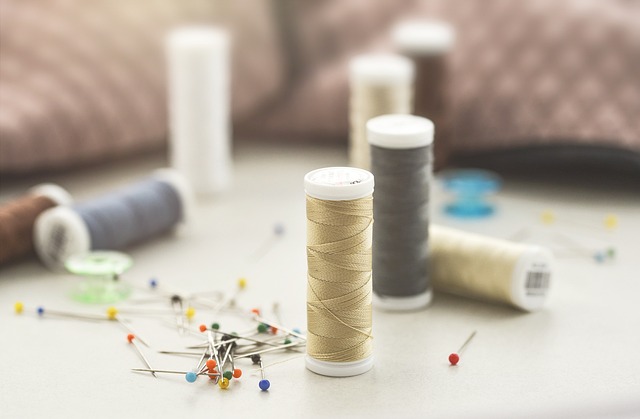
Even though you can’t really see the thread but it’s true that they carry the whole garment. The right thread lets seams stay strong, look neat, and feel comfortable. The wrong thread causes breaks, pucker, and returns. This guide explains, in simple words, how to match thread to fabric so seam strength and stitch performance stay high from cutting room to customer.
How seam strength really works
A seam is a team. Fabric, thread, needle, stitch type, and settings. Strength comes when each part fits the others. If the thread is too weak, it snaps. If the thread is too stiff for a soft fabric, the fabric tears along the holes. Balance is the goal. Use the finest thread that still meets the strength target. This lets you choose a smaller needle, which makes smaller holes and less damage to fabric yarns.
General rules that help most styles
- Construction stitch length around 3-3.5 mm
- Topstitch a little longer, around 3.5-4 mm, for a calm line
- Round tight corners to 6 to 8 mm radius so holes do not crowd
- Keep tension balanced so the lock sits in the fabric middle
Now let us match thread families to common fabric groups.
Light woven cottons and poplins
These fabrics are crisp and can pucker if holes are big.
- Thread fine polyester corespun, ticket 80 to 60 depending on style
- Needle micro or light round, small size
- Why smooth thread glides, small holes reduce pucker, color stays steady in wash
- Tip test on the real fabric after one wash and press to confirm a flat seam
Denim and heavy twills
Denim is tough, but seams still fail if the thread is weak or overheats.
- Thread high tenacity polyester for construction, heavier topstitch thread for visuals
- Needle strong round point, one size up for topstitch runs
- Why high abrasion at pockets and belt loops needs strength and cool running finishes
- Tip use two short wide tacks at stress points instead of one hard bar to avoid cutting the fabric
Knits and jersey tees
Knits stretch. Seams should stretch too.
- Thread polyester corespun in the needle, textured polyester in the looper for softness
- Needle ball point to protect knit loops
- Why balanced stretch and soft touch reduce pop and skin rub
- Tip avoid very short stitches which create a dotted tear effect when the fabric stretches
Performance stretch and athleisure
These are thin, slick, and quick to pucker if friction is high.
- Thread fine polyester corespun or microfilament polyester for very light styles
- Needle micro round or fine ball point, coated to control heat
- Why low friction finish and small holes protect fabric and keep seams quiet
- Tip add a light stitch channel on visible rails so the seam sits a little lower and looks clean
Lightweight microfibers and blouses
These show every flaw.
- Thread very fine polyester corespun, ticket 120 to 80
- Needle the smallest that still forms a stable stitch
- Why tiny holes prevent runs and laddering
- Tip reduce presser foot pressure and test on cross seams that stack layers
Outerwear, water resistant and anti wick zones
Rain follows holes.
- Thread anti wick polyester in hems, shoulders, and sidewalls
- Needle crisp round point that makes clean holes for later seam tape if used
- Why thread finish slows water tracking
- Tip keep stitch length moderate and avoid dense bars that fight seam tape adhesion
Tailoring and suiting
Neat lines matter more than brute strength.
- Thread fine polyester corespun for construction, matching shade topstitch for lapels
- Needle small and sharp
- Why tidy seams help garments press well and drape cleanly
- Tip set tension for a flat lock in the center. Over tight top thread can ridge the seam
Faux leather and coated fabrics
These can crack if holes crowd or needles run hot.
- Thread high tenacity polyester for strength at smaller ticket sizes
- Needle micro round, coated, run cooler speeds
- Why small holes and cool running prevent gloss tracks and edge cracking
- Tip lengthen stitch to 3.2 to 3.8 mm to reduce perforation risk
Workwear and uniforms
Long life and repeat wash cycles demand strong seams.
- Thread high tenacity polyester for construction, consider solution dyed shades for light fastness. Example: fire-retardant sewing thread or self-lubricating thread.
- Needle sturdy round point sized to stack thickness
- Why strength, abrasion resistance, and color stability under hard care
- Tip standardize tickets by zone so repairs in the field are easy
Choosing ticket size the smart way
Start with the fabric tear strength and the seam load. Pick the lightest ticket that meets your pull tests at both warp and weft directions. Lighter ticket gives smaller holes, smoother look, and often better comfort. If the fabric is weak, do not just jump to heavy thread. Reduce stitches per inch and round corners first so the fabric does not split.
Quick tests you can run in house
- Seam strength strip
Sew and pull to failure. Record where it fails. If the fabric tears before the thread breaks, seam balance is good. - Pucker and press
Stitch, wash once, press once. If waves remain, try a smaller needle, longer stitch, or smoother finish. - Abrasion on seam
Rub the stitched area. If the thread fuzzes, upgrade thread construction or finish. - Color fastness rub
Use a damp white cloth on a dark seam. If dye transfers, move to a higher fastness route.
Troubleshooting quick table
| Problem | Likely cause | Fast fix |
| Skips on knit | Wrong needle point | Switch to ball point and balance tension |
| Seam breaks in wear | Low thread strength or crowded holes | Stronger thread, reduce SPI, round corners |
| Pucker on light fabric | Big needle and short stitch | Smaller needle, lengthen to 3.2 mm |
| Shade mismatch | Mixed dye routes | Consolidate supplier route and check lot codes |
Tech pack lines you can copy
- Stitch 301 construction 3.2 mm, top lines 3.8 mm
- Thread polyester corespun by fabric group, high tenacity at stress points, textured looper where skin touch matters
- Needles micro or ball point by fabric, smallest size that forms a stable stitch
- Corners radius 7 mm on turns, two short tacks at stress zones
Wrap
Strong seams come from good matches. Choose thread by fabric and use, not by habit. Go as fine as strength allows. Select the correct needle and the ideal stitch length. Test, adjust, and record the wins in your spec. Following the above simple steps will ensure your garments lasts longer, looks better, and customers stay satisfied.